
“People who don’t feel heard won’t listen to you”
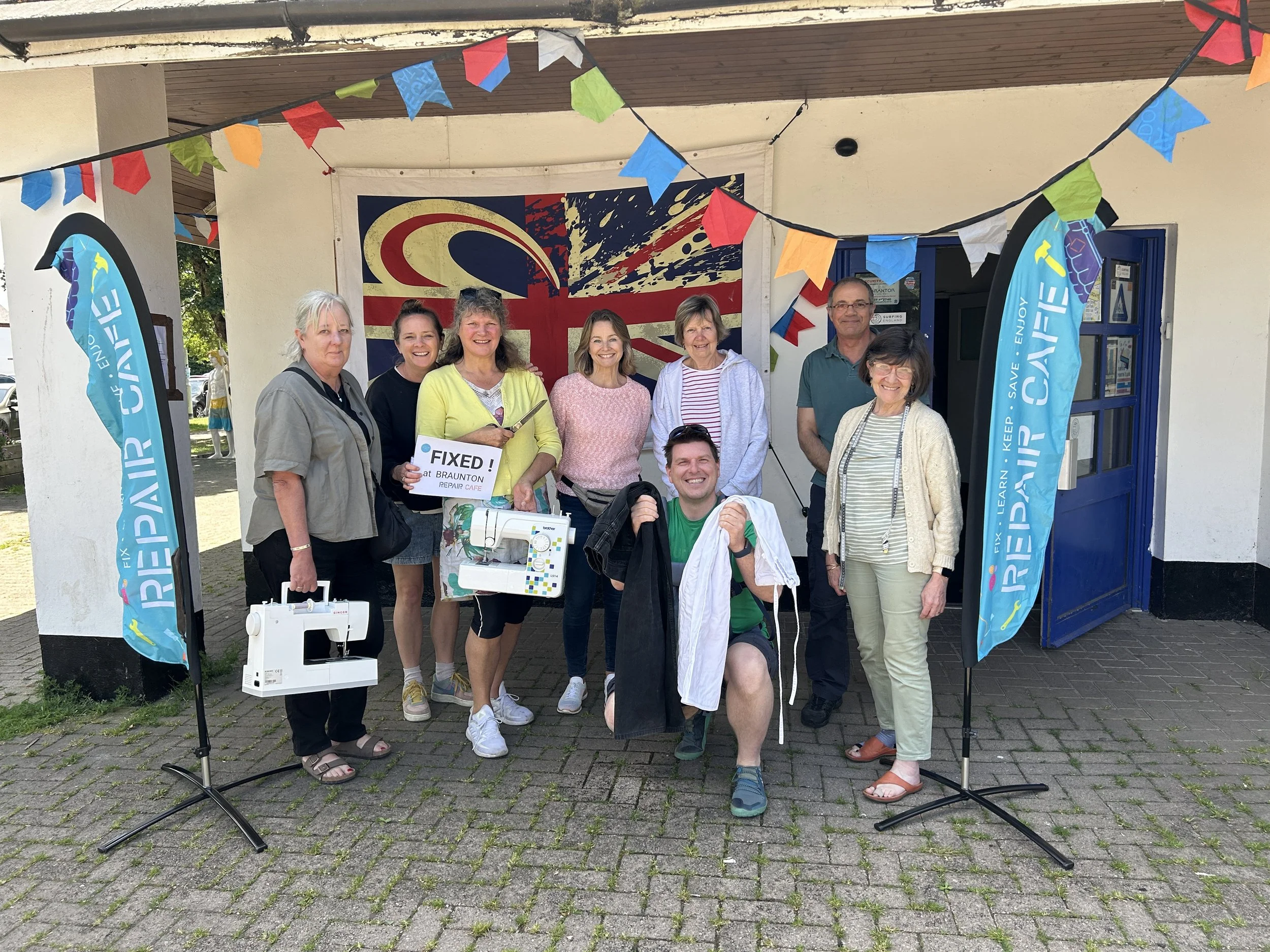
From debates with politicians to learning how to help hedgehogs - and why camper van-ing in Sweden is a must for nature lovers - Let’s Talk Climate has sparked some fascinating conversations for members of Earth Action North Devon.
Co-founder Lyn Strahan told us why they were so keen to get involved.
A force for good across the south-west, Earth Action North Devon was one of the first organisations to take part in Let’s Talk Climate training.
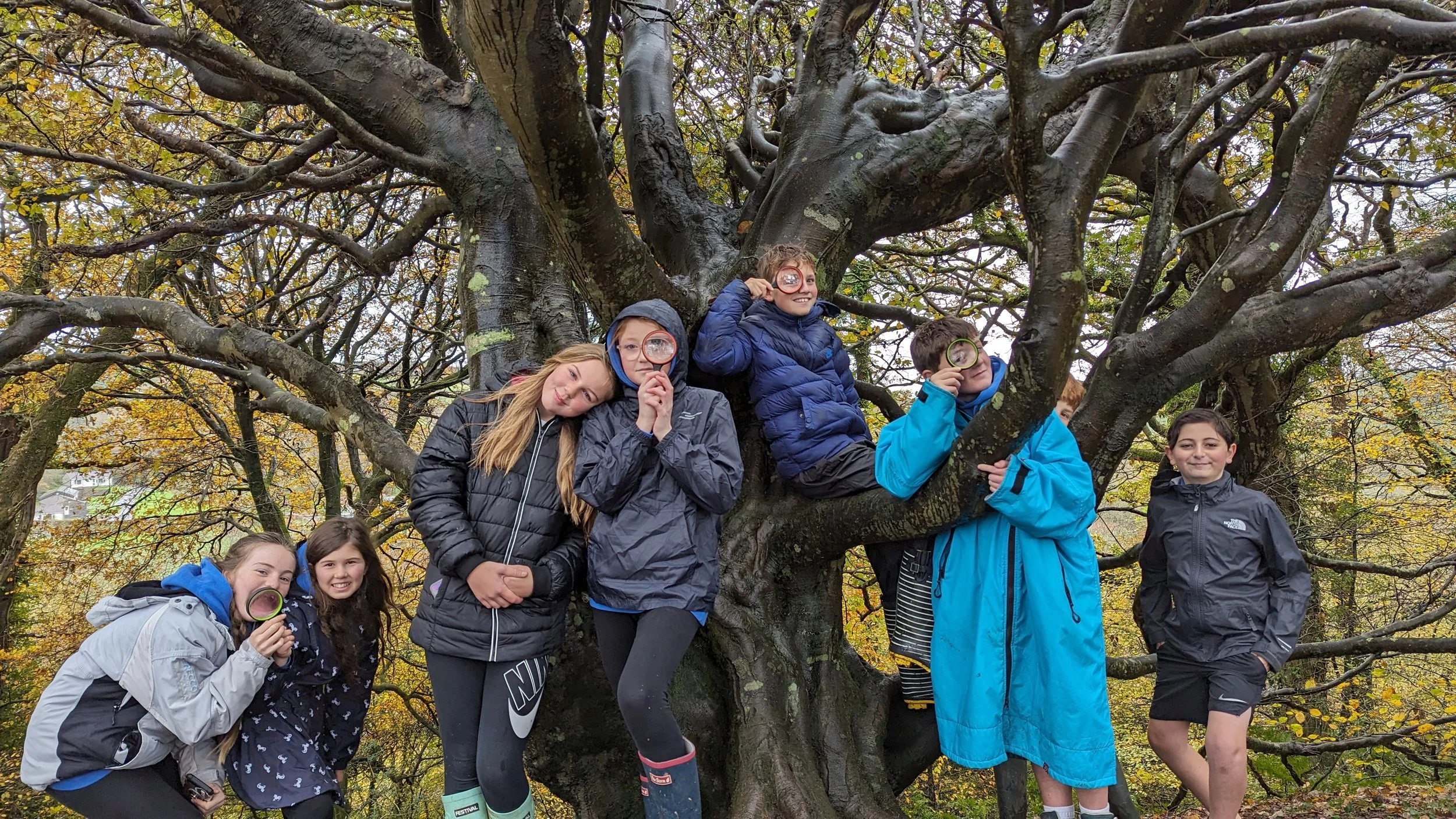
Originally known as Plastic Free North Devon, what started as a small group of friends organising beach cleans is now a registered charity with a team of seven staff, whose remit also includes an education programme for secondary schools, rewilding and biodiversity projects and a network of repair cafes.
They signed up to take part in Let’s Talk Climate in 2025 and have led three cohorts through the six-week challenge.
“It’s very easy, as environmentalists, or whatever badge we give ourselves, to assume that everybody else thinks about climate all the time as well. But the reality is, they don’t,” said Lyn.
“What is so brilliant about the Let’s Talk Climate training is that we are giving people that opportunity. You’re giving them the chance to stop thinking about the shopping list, or picking the kids up from school, or the million other things on their mind, and just putting that little pause in their day when they can give climate issues some consideration.”
Earth Action North Devon opened up the training sessions to all its staff and volunteers, but also its wider network of local community groups and charities.
“I really believe people need to talk more about climate,” said Lyn, who helped host the training sessions, as well as taking on the six-week Challenge herself.
“I think we’re all a bit scared of being shouted at or shot down and not having all the facts when people start coming back at you. This felt like a great opportunity to get more of us together to talk all that through .”
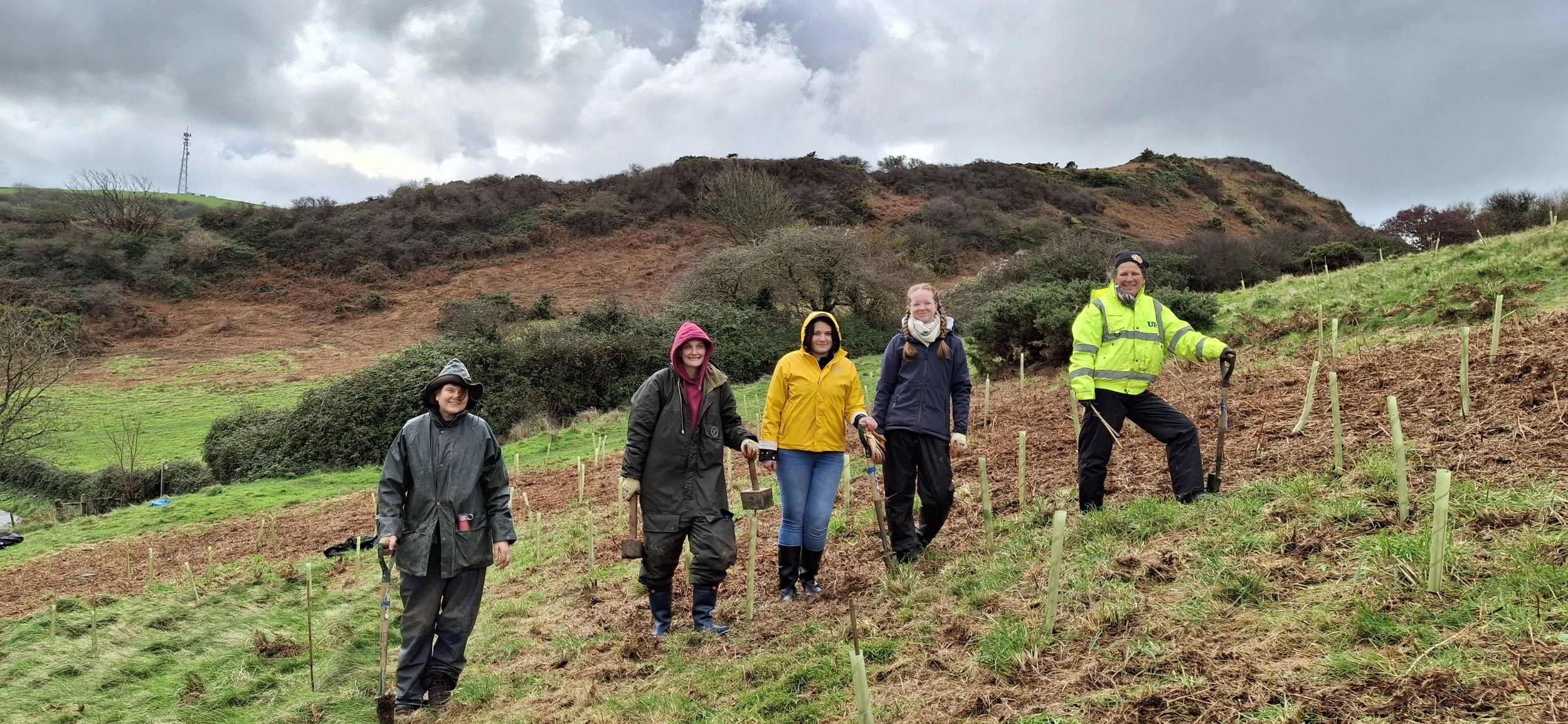
Lyn admits she hasn’t always found it easy to talk about climate to everyone, despite it being high on the agenda in her day job.
“Even though I’m involved in a charity that talks about it all the time, there are still friends that I don’t really touch on it with because you don’t know how it’s going to be received.
“What I found most valuable was learning how you talk to people, the importance of turning your key points into a story and of listening first. People who don't feel heard, won't listen to you.
“It doesn’t have to be a big lecture, it can be a really gentle conversation. Maybe something as simple as making people think ‘Oh yeah, there were loads more butterflies when I was a child’.
“I think it helps that we live in a fairly rural area and a fairly small community. There aren’t many people you can't find something in common with. There is a sort of shared sense of ‘we're really lucky to have all of this around us, and we want to protect it’.”Her most successful conversation starters have included wildlife and gardening.
“Sometimes people can feel a bit hopeless around the whole issue of climate change, like there’s nothing they can do. Bringing it back to our community, to the here and now, helps to give a focus.
“I volunteer for a hedgehog charity, so that’s a really easy topic for me. I’ll start talking about hedgehogs and butterflies or, for example, last year we went travelling around Sweden in a camper van and the amount of wildlife there was incredible. Just comparing that with what we’re seeing here is a really good story to tell and one that people engage with.”
And when it comes to dealing with people who might not agree with her own viewpoints, Lyn says she’s feeling much more confident to at least give it a try.
“I'm definitely more empowered. I’m more willing to have a go at talking to somebody who might be a bit ‘anti’. I feel I’ve got the answers now, and I don't mean the answers as in ‘I've got the facts’ but, when someone gets a bit combative, I've got tools that I can use to deflect.”
Seeing the benefits for the other participants, who were approaching the topic from a variety of perspectives, was one of the most rewarding parts of the challenge for Lyn.
“We have members who are also part of Extinction Rebellion who can be, I’m sure they won’t mind me saying this, more forthright. It’s been really interesting to see them be a bit gentler and a bit more understanding of other people's viewpoints.
“The flipside of that is that we’ve got volunteers who’ve never done anything like this before and it’s nice to see them grow in confidence. We’re definitely getting more people volunteering to do things that involve chatting to the public.”
The group element of the training and the weekly get-togethers were a core part of the training’s success.
“Every week people would come in with a story of something that they'd done and not all of them were positive. Some chats hadn't gone so well, or they’d backed down when it started to get hard, but it was all those stories and the sense of support that kept everyone inspired.”
The group also found that their new skills are transferable to other issues. For example, during the local elections last year, Lyn’s co-host, Katy, who works for another local charity which supports refugees, approached a stand run by anti-immigration candidates. She started a conversation with them using some of the tactics she’d learned in the training.
“The way she managed to turn the conversation around was amazing,” said Lyn “One of the guys was not very nice to her at all, but the other one properly listened and they ended up having a really good chat which resulted in him agreeing to go and have a look round where she worked. That was one of the standout moments for us.”
Interested in bringing Let’s Talk Climate training to your members? Email us.