
The pool-table chats bring a Nottinghamshire village together
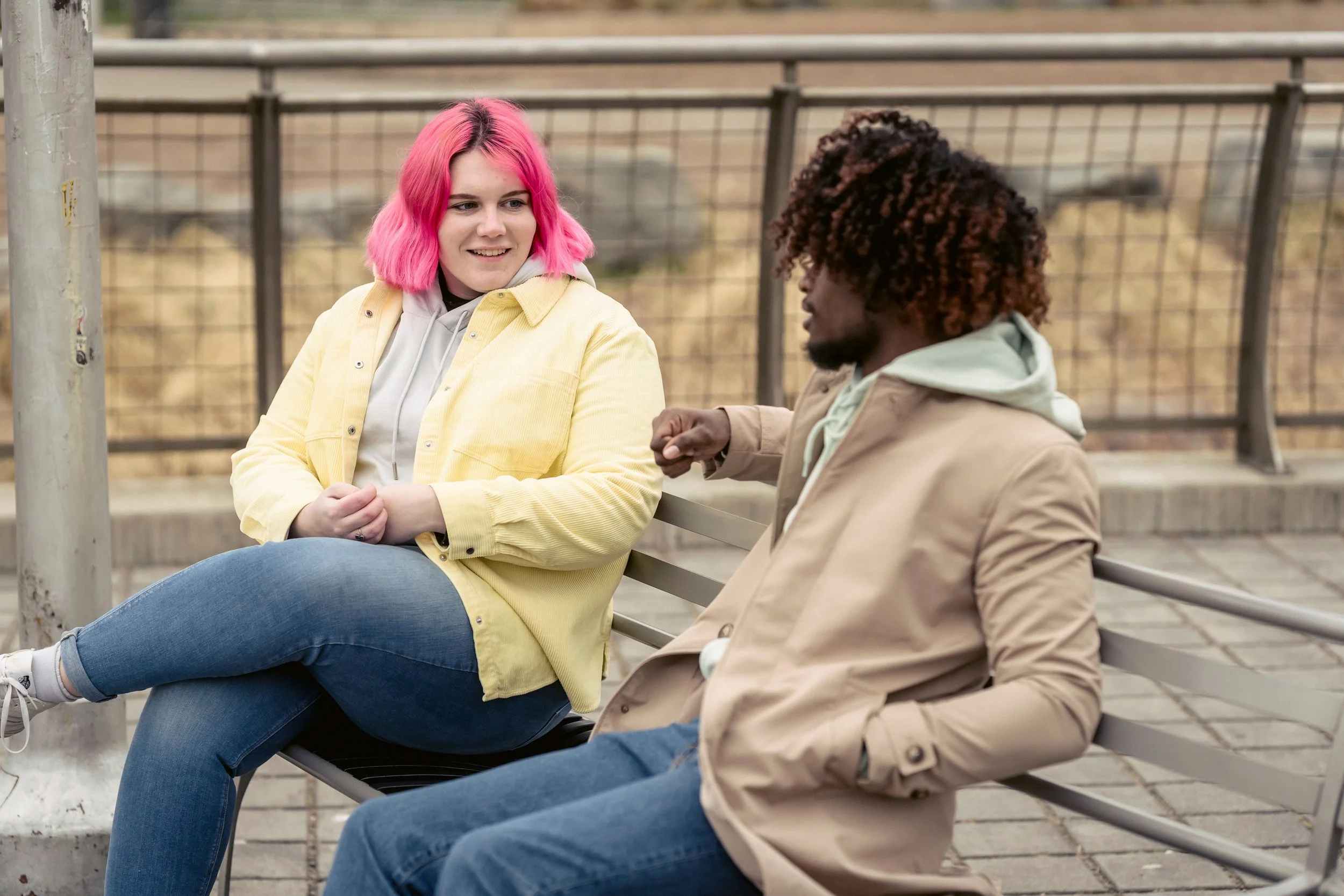
Climate conversations can crop up in the most unexpected places, once you’ve got the tools and the confidence to start them.
Nottinghamshire Wildlife Trust’s Harri Phillips explains how Let’s Talk Climate has helped her connect with her community, everywhere from the pub to the local slimming group.
The reluctant participant
As a community engagement officer, Harri Phillips spends most of her days talking about climate and nature. And, like many of us, trying to spin various plates in limited amounts of time.
So, when she first got asked to facilitate Let’s Talk Climate sessions she admits her initial reaction was not that enthusiastic.
“You could probably describe me as a reluctant participant. I just thought, ‘Oh no, another thing to add to my weekly list’,” she said.
“I had zero expectations, but I was so pleasantly surprised. I found myself actively looking forward to the sessions.”
Those sessions turned out to be transformative, not just for the participants, but within her own life outside of work.
Completing the six-week Challenge alongside the people she was training sparked a variety of discussions she would never have had before.
Stepping out of the work bubble
“I wasn’t someone who would shy away from any conversation, on any topic, but climate doesn't naturally come up in lots of circles. It's not necessarily something I would discuss around a brunch with friends, for example,’ she said.
“Within my work environment it's talked about all the time but outside that, without my work hat on, I’d struggle to bring it up without feeling preachy. It’s definitely not something I’d have gone to the pub and talked about.”
But, once she embarked on the Challenge, that’s exactly what she did – holding weekly chats with friends and fellow villagers in her local pub.
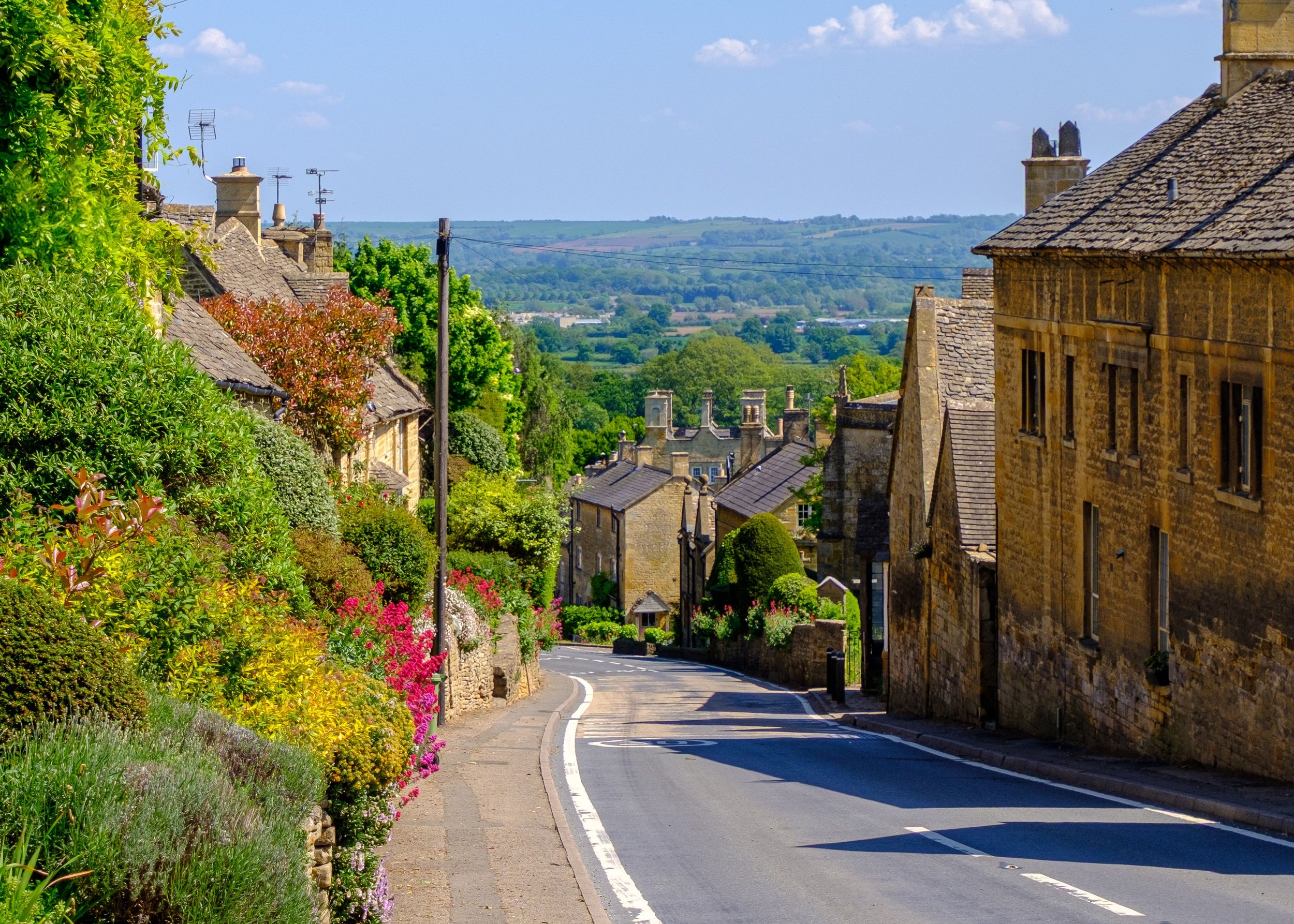
“We live in a very picturesque village in north Nottinghamshire, surrounded by fields, and there are currently proposals for a large solar farm. I’m very much in favour of green energy, but 99% of people in the village are not.
“We’d always have a bit of banter about it. They’d laugh and say ‘oh, you’re the 1%’, but doing the course prompted a different type of conversation.”
Having the training as a reason to start chats helped Harri delve into things in more detail.
“I was like ‘I’m doing this course. I need to have five conversations. You’re going to talk to me’, she laughs.
“It did feel a little unnatural at the beginning because it is more of a serious issue than you're normally discussing around the pool table or the bar. But what became apparent through the six weeks was that it doesn't always have to be deadly serious. You can have these conversations in a light-hearted way, and in an informative way, without being preachy.
“I’m sometimes worried about going into ‘work mode’ but, actually, it was really interesting to have these discussions with people with such different views. While I’m in favour of green energy and I understand how the land will rejuvenate underneath the solar farm, do I really want it to be what I see when I look out of my window? Probably not. So, I do get that, and it was interesting to hear things from that perspective as well.”
Confronting our own preconceptions
Harri says the course was also helpful in making her realise she was guilty of bringing her own preconceptions to conversations. “Whilst it’s a very friendly village, there’s a definite divide in politics. We live in a large Reform-voting area, and I was perhaps more nervous about starting conversations with some people because I knew we’d be starting from very different points on the political spectrum.
“I assumed because they support a certain political party ‘they must think this, they don't believe in this and they don't believe in that’. And I wasn’t always right. It really opened my eyes.”
From solar panels to slimming groups
With this renewed perspective, came an increase in confidence. Which led to other breakthroughs in more unexpected locations...
“At the time, I was in a slimming group and they would give us stickers and a laminated certificate every time we lost a little bit of weight.
“I’d always thought to myself ‘I don't want them. It’s such a waste.’ And then one week, I think because the course was in my mind, I just said ‘Oh, no thank you. I don’t want the sticker’. And it was amazing. When I sat back down people asked why and I was just honest and said I felt it was a waste and it's going to end up in landfill. It was just a natural conversation and that felt quite nice.
“I don't think I would have done that if it wasn’t for the course. Having the self-awareness to know ‘actually, this is what I believe’ felt very empowering. It’s made me feel more confident in having these conversations in everyday life.
“I know now that even if it's a conversation where we both have completely different views and nothing changes, there's still value in that. It’s given me more of an awareness not to lecture.”
Watching others blossom
As well as her own wins, Harri said one of the best things about the course was seeing the other participants thrive as the weeks went on.
“Watching people develop and blossom into having really interesting conversations after finding it too hard to start one at the beginning was probably my favourite bit.
“One of our participants just embodies everything nature and is so knowledgeable but, interestingly, she found it difficult to talk to some of her family about it. Eventually she managed to bring it into a conversation they were all having about the Grand Prix. She said she would never have thought about bringing it into that conversation before or had the confidence to do so.”
“It gives people hope that small individual actions can have a massive impact if we’re all doing them. And I feel like any message of hope, any message of ‘it’s not too late’, has got to be a good thing.”
A message of hope
And, as for Harri’s initial reluctance?
“I quickly learned that the course and the resources are so well structured that, even as a facilitator, it’s not very time consuming. I was a bit nervous about the technology and how it was all going to work and splitting people into groups, but I can’t stress enough how easy it was. The script and the layout of the course took away all that stress. So, if anyone's worried about facilitating, I would say don't be.”
A convert to the power of casual climate conversations, Harri has no plans to stop anytime soon.
“Having these conversations has led in such different directions for me, starting off on one thing and ending up with something completely different,’ she said.
“It gives people hope that small individual actions can have a massive impact if we're all doing them. And I feel like any message of hope, any message of ‘it's not too late’, has got to be a good thing.”
Interested in bringing Let’s Talk Climate training to your members? Email us.