
The surprising everyday climate experts we can all learn from
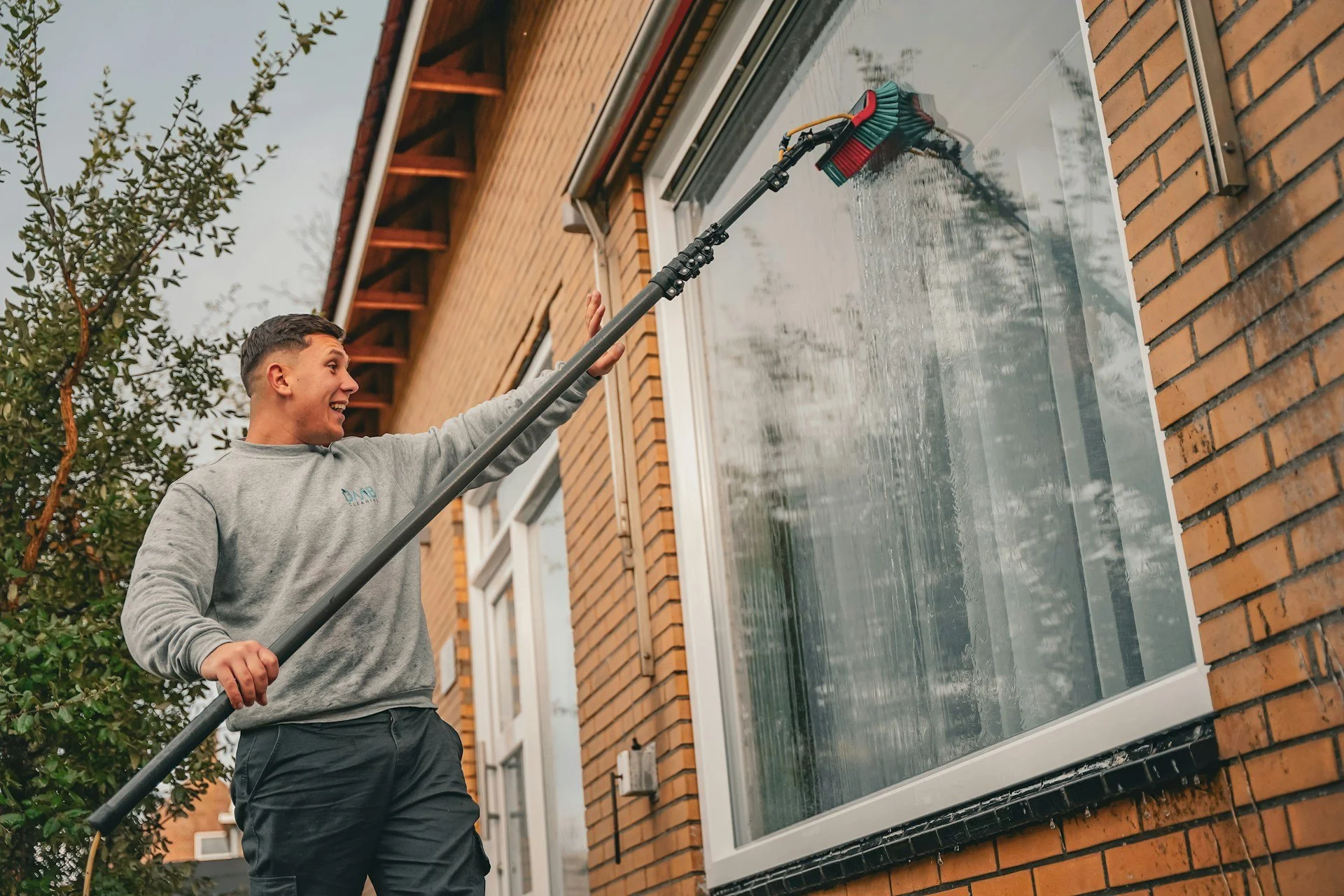
If there’s one thing we’ve learnt from our Challenge groups it’s that you never know where and when your most interesting climate conversations are going to take place.
Each week, we ask those taking part in the Challenge to record brief details of a chat they’ve had, and their responses provide some really valuable learning.
One of the key trends we’ve noticed is that beginning a conversation by speaking to someone about their own specialist subject area, or a topic they’re passionate about, can lead to some of the most productive chats.
Whether it’s a gas engineer talking about installing eco-friendly boilers or a taxi driver telling you about their new hybrid car, there are people who see the world changing every day through their jobs. Chatting to them can bring about climate change conversations when you least expect it.
Warmer winters = cleaner windows
Take Helen from our Climate Action Ilkley Challenge group, who had one of her most insightful conversations with her window cleaner after asking him about whether he’d noticed any differences in the weather over recent years.
“He said 'yes' and described hotter, drier summers and milder, wetter winters. He’d especially noticed the changes in the winters as he can’t work in icy weather and had had fewer days where he was forced to stop.”
Their conversation then led on to talking about green energy in the home and solar panels.
Melanie, from North Yorkshire Climate Coalition, found herself having a conversation with a local employer and discovered they’d been recording temperatures since the 1970s and seen a great change.
For Nick, also from the Ilkley Group, his ‘everyday expert’ was the person who came to clean his oven.
“It was so lovely to see the delight that she had in sharing with me that all her products are now green. It had clearly been a journey.
“The conversation continued with her explaining her lifestyle choice of not travelling abroad and deliberately enjoying holidays in the UK. It was such a great example of someone choosing to live out what she believed.”
From chocolatiers to charity shops
Deborah, of North Yorkshire Climate Coalition, had one of her most interesting conversations with a chocolatier who came to give a talk at her church. When she asked if he noticed signs of climate change while travelling for work he told how he had witnessed land in Ghana being brought up for gold mining and stripped of trees.
She said: “I’ve had so many fascinating chats with people in different professions. I also talked to a policeman who told me that his force had introduced a study module on climate change, and I had a good chat with the lady in the charity shop who told me all about their sustainability policies.”
Ann, of the Ilkley Group, also found herself learning more about the impacts on food and drink production.
“A friend was running a stall at the Coffee Festival in Otley and I spoke with her about how climate change is affecting coffee producers in East Africa. Apparently they are already adapting, producing more resistant hybrids, but there is an issue with taste changes as the beans ripen more quickly in the heat.”
Challenging our own assumptions
Sally, also a member of the North Yorkshire group, was able to use her newfound skills to strike up a conversation with the canteen manager at the local authority where she works.
“She’s someone I’d had a few brief chats with before so I felt like we had some initial connection. I mentioned how frustrating it was that people weren’t using the right recycling bins in the canteen and she explained how much it bothered her too. It surprised me slightly as I’d previously assumed she probably wasn’t that fussed and that she might’ve felt like it was something being imposed on her.
“Before the course, I’d always felt that I needed to steel myself to have climate conversations but it made me realise that you can have conversations about ‘normal’ stuff before bringing it round to topics that matter to you.”
Opportunities are everywhere
When it comes to constructive conversations, talking to people about their jobs works really well. It shows you respect their position and authority, and are keen to learn from them, rather than simply broadcasting your views to them.
Climate change impacts us all in some way and you never know who might have some fascinating insights into it. As these conversations demonstrate, it’s not a specialist subject. It can be a window-cleaning subject, a beauty-treatment subject, or a medical subject.
Who in your life is an everyday expert? What conversations could you have? Who do you know? And what might you ask?