
Why your passions are your superpower when it comes to climate conversations
We know that starting conversations around climate isn’t easy – it’s the very reason our Challenge groups exist.
But we’ve also learnt an awful lot about what makes it easier, with more helpful learning and feedback coming in from our groups all the time.
In this blog we’re focusing on one key theme that’s emerged from our participants so far…
Sometimes the best way to talk about the planet is to talk about something else entirely.
And if that something else happens to be something you love, even better!
Whether it’s wildlife, gardening, cooking, or looking after your own health, your passions can be the key to powerful connection during a conversation.
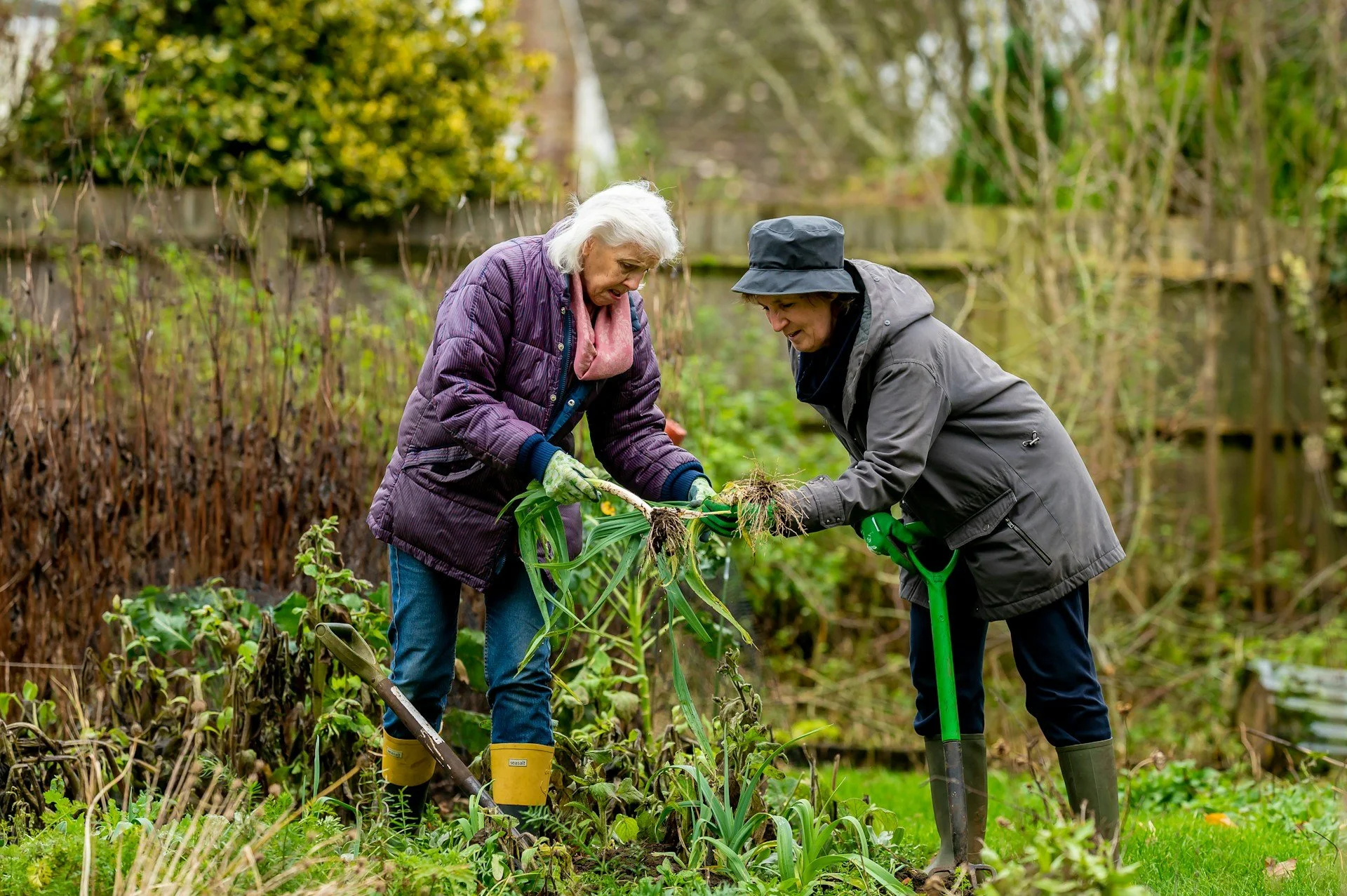
Take Lizzie from our Ilkley group, who was feeling a bit nervous about attempting a climate conversation with someone she often disagrees with. She began their chat talking about gardening, which then led on to a conversation about hedgehogs during which they both shared stories of seeing them. The conversation went so well it ended with that person saying she felt she’d found a soul mate!
Wildlife was also a helpful opener for Cord from the Ilkley group who got chatting to a runner near the river after they spotted a rat. Their conversation then led on to talking about beavers and conservation.
An appointment for change
Another of Cord’s most rewarding conversations came when he began talking about his passion for cycling to a nurse during a routine medical appointment.
“He said he used to do a lot more cycling but was finding it harder now it was getting hotter. I suggested retro-fitting his bike with an electric engine and, from there, we ended up talking about fossil fuel dependency, electricity prices and solar panels.”
The conversation was a success as, at his most recent appointment, the nurse told him he had been out and bought the retro-fitting kit.
“We didn’t really talk about climate during that conversation because I think sometimes when you mention it directly people might shy away from it. I felt it was more important to focus on something that could directly change his behaviour,” Cord said.
Anna, on the other hand, had a great result when she plucked up the courage to chat to the lady who does her eyebrows.
“She admitted to not knowing much about climate change but was very interested. We talked about growing veg and recycling and then got onto talking about eyebrow tinting, but she brought the conversation back to climate change and then we talked about local MPs. I explained that she can contact them and they are supposed to write back. I also gave her Friends of the Earth's website details to look at.”
A secret super-power
For David, of Thirsk Friends of the Earth, his breakthrough came via insects. While at the local barber’s he asked him if he knew about a local sustainability and re-wilding consultation. He didn’t and the conversation stalled but, a few minutes later, it prompted the barber to start talking about insects and how he used to see a lot more when he was a child.
“He was talking about how you constantly used to have a windscreen full of them, but how that doesn’t happen as much anymore,” David said.
“I think, in many cases, climate is not a good starter but something to work into a conversation. Nature is something people can empathise with and understand much more and it’s a really good link into climate. You can’t have one without the other.”
David, who’s resolved to start future conversations with nature and then include climate, says he believes these kinds of chats are our “secret force when it comes to taking on the might of the bigger corporations.”
Food for thought
Hobbies can provide a great conversation opener too.
Ruth, also from the Ilkley group, makes her own homemade kefir and took some into work following a conversation with a colleague about gut health. This led to a chat about homemade produce and the benefits it brings.
“It was an unexpected line of interest, but I think these kinds of little, frequent conversations are really helpful,” she said.
For Ann, a member of Otley 2030, food was also the segue into one of her most constructive conversations.
“I had a very informal chat with another foodbank volunteer whilst we were at the warehouse. We started discussing our allotments, which then led on to talking about food production.
“I think finding that common ground is such a helpful way to lead into climate conversations.”
Clothes and fast-fashion proved to be an excellent opening topic for Melanie from our North Yorkshire Climate Coalition group.
“I got chatting to a lady about clothes and how long they last. I told her about a new shop in a nearby town that sells well-known brands, upcycled, and she said she was going to visit.”
Talk about what you love
As all these examples prove, the most effective climate chats usually happen when there’s no big agenda.
Talking about the things you love means you’re more likely to feel at ease in the conversation, which instantly helps the person you’re chatting to relax too. It also creates a sense of trust, which can then make it easier to move on to talking about the bigger stuff later.
What lessons could you take from these stories? Are there topics or hobbies you’re passionate about that could be your side-door into a bigger conversation?